Times Roman Font JKL: Classic Style Meets Modern Craft
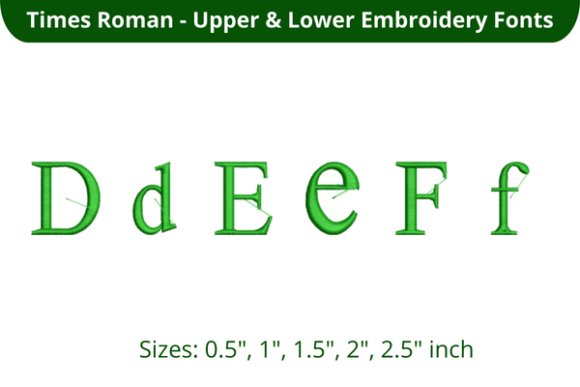
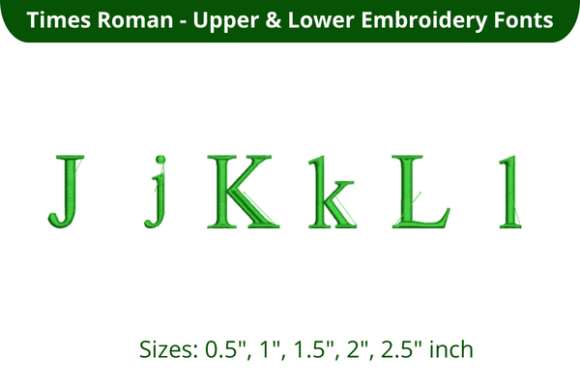
When you're working on a project that needs to feel both timeless and approachable, the typeface you choose does a lot of the heavy lifting. Times Roman Font JKL is one of those designs that bridges the gap between traditional elegance and everyday usability. It's a serif font with roots in classic typography, but its execution here feels clean and contemporary. The letterforms have that familiar, sturdy structure you'd expect—well-defined serifs, balanced proportions, and a rhythm that makes paragraphs easy to read. At the same time, there's a subtle warmth to the curves and terminals that keeps it from feeling stiff or overly formal.
This isn't a typeface that shouts for attention. Instead, it earns trust quietly. The personality of Times Roman Font JKL is reliable, professional, and grounded. It carries the kind of visual authority you'd want for a brand that needs to look established without being stuffy. Think of it as the typographic equivalent of a well-tailored blazer—it works in a boardroom, but it also looks right at home at a weekend brunch.
Where This Font Truly Shines
One of the strengths of Times Roman Font JKL is its versatility across different project types. In editorial design, it's a natural fit. Long-form text in books, magazines, and newsletters benefits from its readability at smaller sizes. The consistent stroke weight and open counters mean your readers' eyes can move through paragraphs without fatigue. If you're designing a publication—whether it's a print journal, a PDF report, or a digital magazine—this typeface gives your content a polished, authoritative look.
For branding and logo design, Times Roman Font JKL works especially well for businesses that want to project stability and credibility. Law firms, financial services, educational institutions, and heritage brands often gravitate toward serif typefaces for exactly this reason. The font's classic proportions signal professionalism, while its clean rendering keeps the design feeling modern. Paired with a simple sans serif font for subheadings or body text on a website, it creates a visual hierarchy that feels balanced and intentional.
Packaging design is another area where this font holds its own. Product labels, box designs, and retail packaging often need to communicate quality at a glance. Times Roman Font JKL has enough presence to work as a display font on packaging while still being legible at smaller sizes for ingredient lists or descriptions. It's the kind of typeface that makes a product feel considered and well-made.
Social media graphics, blog headers, and web design all benefit from fonts that load cleanly and read well on screens. While Times Roman Font JKL is rooted in print tradition, its digital rendering is sharp and clear. It's a strong choice for website headings, quote graphics, and branded content where you want text to feel substantial without overwhelming the visual space.
How Typography Shapes Perception
The fonts you use in your projects aren't just decorative—they're communicative. Every typeface carries associations, and those associations influence how your audience perceives your message. Times Roman Font JKL taps into a deep well of typographic trust. Serif fonts have long been associated with authority, tradition, and reliability. When someone sees this font on a business card, a website, or a product label, those associations are already working in your favor.
Visual hierarchy is another critical consideration. A strong design needs to guide the viewer's eye from the most important information to the supporting details. Times Roman Font JKL pairs well with a range of other typefaces—a clean sans serif for contrast, a script font for accent text, or even a handwritten font for a more casual touch. The key is to let the serif font anchor the design while complementary typefaces add variety and emphasis.
Consistency across your brand identity also matters. When you use the same typeface across your logo, website, print materials, and social media graphics, you build recognition. Your audience starts to associate that visual style with your brand, even before they read the words. Times Roman Font JKL is a strong candidate for this kind of consistency because it's adaptable enough to work across different media while maintaining a cohesive look.
Practical Tips for Working with Times Roman Font JKL
Before committing to any font for a project, it's worth testing how it performs in context. Set a paragraph of body text at the size you plan to use and read it on screen and in print. Check how the letter spacing feels at different sizes. Look at how the font renders in both light and dark backgrounds. Times Roman Font JKL tends to perform well across these scenarios, but every project has its own requirements.
Font pairing is where design gets interesting. Try combining Times Roman Font JKL with a geometric sans serif for a modern editorial look, or with a softer sans serif for a more approachable feel. If you're working on a project that needs a touch of personality, consider using a script or handwritten font for accent elements while letting the serif font handle the primary text. The goal is contrast without conflict.
Pay attention to the styles and weights included with the font family. Most premium fonts come with multiple variations—regular, bold, italic, and sometimes condensed or extended versions. These give you flexibility within a single typeface, so you can create visual variety without introducing competing designs. Times Roman Font JKL offers a solid range of styles that cover most design needs.
Readability should always be a priority, especially for longer text. Serif fonts like Times Roman Font JKL are traditionally favored for print reading because the serifs help guide the eye along lines of text. On screens, the rules are a bit different—sans serif fonts have historically been preferred for body text on websites. However, modern screen rendering has improved significantly, and well-designed serif fonts now perform well digitally. Test your specific use case and trust your eyes.
If you're using the font for commercial projects, make sure you understand the licensing terms. A commercial font license typically covers use in client work, products for sale, and branded materials. Review the license to confirm it covers your intended applications—whether that's embroidery designs, printed merchandise, digital products, or advertising materials. Times Roman Font JKL comes with licensing that supports a wide range of commercial uses, which makes it a practical choice for designers, entrepreneurs, and small business owners who need flexibility.
Final Thoughts on Choosing the Right Font
Selecting a typeface is one of those decisions that seems small but has an outsized impact on the final result. The right font elevates your work. The wrong one creates friction. Times Roman Font JKL is a dependable choice for projects that need to balance tradition with modernity. It's not trying to be trendy or edgy—it's designed to be useful, versatile, and enduring. Whether you're building a brand identity, designing a publication, creating packaging, or crafting social media content, this typeface gives you a solid foundation to build on.
The best way to know if a font works for your project is to use it. Set your headlines. Lay out your paragraphs. Pair it with other design assets and see how the pieces fit together. Times Roman Font JKL has the kind of quiet confidence that lets your content take center stage—and sometimes, that's exactly what you need.