Rose of Baltimore Embroidery Font: Vintage Charm for Modern Projects
Capturing the Essence of Vintage Calligraphy
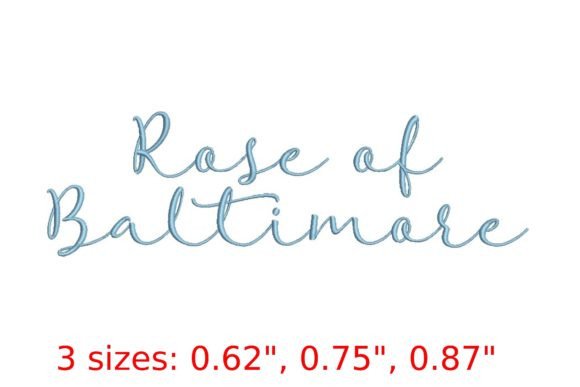
The Rose of Baltimore embroidery font isn't just a collection of letters; it's a direct line to a specific aesthetic. This premium font draws its soul from the ornate, flowing calligraphy of the past, translating that delicate artistry into a format perfect for machine embroidery. Its personality is one of quiet romance and refined sophistication. The letterforms feature graceful, sweeping curves and thoughtful connections that mimic the hand of a skilled penman. There’s an inherent softness to its style, avoiding the starkness of modern sans serif fonts while offering more flair than a standard serif font. This creates a typeface that feels both personal and polished, capable of elevating a simple monogram into a cherished heirloom.
Its overall appeal lies in this balance. It’s a script font that communicates elegance without feeling overly formal or stuffy. Imagine the subtle weight variation in the strokes, the gentle loops, and the way certain letters taper to a fine point. These characteristics make the Rose of Baltimore embroidery font a standout design asset, particularly when you want to evoke a sense of history, craftsmanship, or heartfelt sentiment. It’s the visual equivalent of a handwritten letter in a digital age.
Where This Script Font Truly Blooms
Understanding a font's ideal context is key to effective design. The Rose of Baltimore embroidery font excels in applications where personality and a human touch are paramount. Its strengths are most visible in projects that call for a decorative, display-oriented typeface rather than a workhorse for body text.
In the realm of personalized gifts and home decor, this font is a natural fit. Think of monogrammed linens, custom throw pillows with a family name, or elegant table runners for a special occasion. The font’s intricate details add a layer of perceived value and thoughtfulness that a standard typeface cannot match. For entrepreneurs and small business owners in the bespoke or luxury market, the Rose of Baltimore can become a cornerstone of a brand identity. It works beautifully for boutique bakeries, custom stationers, floral designers, or artisan wedding vendors, helping to craft an image of bespoke quality and classic taste.
For content creators, bloggers, and publishers, this creative font offers a solution for specific editorial design needs. It can set a stunning chapter title in a book, create a memorable logo for a podcast about history or romance, or add a touch of elegance to social media graphics promoting a special event. In packaging design, it can make a product feel more premium, especially for items like artisanal foods, perfumes, or skincare. The key is to use it strategically—as a headline or accent font—to draw the eye and establish a specific mood without sacrificing overall readability.
Practical Guidance for Using Rose of Baltimore
Integrating any new script font into your workflow requires a thoughtful approach. Here’s how to make the most of the Rose of Baltimore embroidery font:
- Evaluate Project Fit: First, ask if your project’s tone aligns with the font’s personality. It’s perfect for themes of romance, heritage, celebration, and luxury. It might be less suitable for a corporate tech startup or a children’s sports league. Consider your audience and the message you need to convey.
- Master Font Pairing: A script font rarely works alone. For a balanced and professional layout, pair the Rose of Baltimore with a simpler, more legible typeface. A clean sans serif font creates a beautiful contrast, allowing the script to shine as the focal point. A sturdy serif font can also work, complementing its vintage feel. Use the script for headings or key phrases and the paired font for body copy or supporting information.
- Review Technical Specs: The provided download includes a summary of sizes and stitches based on the letter “A/a.” This is a helpful starting point, but always consult the full PDF guide. Different letter combinations will have different widths and stitch counts, which affects both the embroidery time and the final appearance on your fabric. Proper hooping and stabilizer choice are critical for the crisp execution of its fine details.
- Check Readability at Scale: While beautiful, the intricate swirls and connections of a script font can become muddled at very small sizes. Test your design at the intended scale. For embroidery, this means considering the fabric type—a smooth cotton will show the details better than a heavy, textured canvas. Ensure the font remains legible from the typical viewing distance for your project, whether it’s a pillow on a sofa or a logo on a garment.
- Understand Commercial Use: This font is a commercial design asset, making it suitable for projects you sell. This is vital for entrepreneurs, designers, and small business owners. Always review the specific licensing terms included with your purchase to ensure your intended use—whether for physical goods, digital products, or client work—is fully covered.
By treating the Rose of Baltimore embroidery font as a specialized tool rather than a universal solution, you can leverage its vintage allure to create projects that are not only visually stunning but also strategically effective. It’s an investment in a specific aesthetic that, when used wisely, can significantly enhance the perceived quality and emotional resonance of your work.